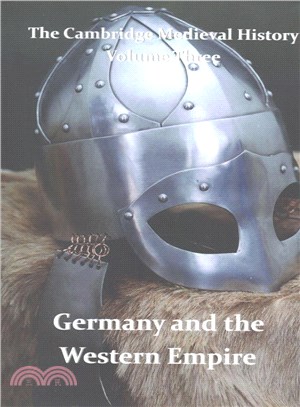
THE present series of lectures is designed to give a broad and general view of the long sequence of the migratory movements of the northern barbarians which began in the third and fourth centuries A.D
A History of Freedom of ThoughtBy J. B. BuryIt is impossible to know with certainty what another person is thinking, making suppression difficult. The concept is developed throughout the Bible, most f
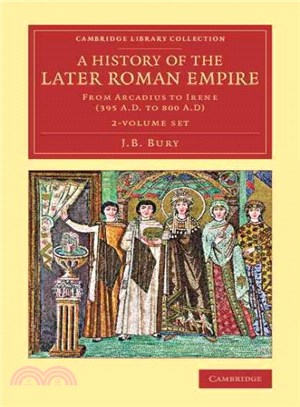
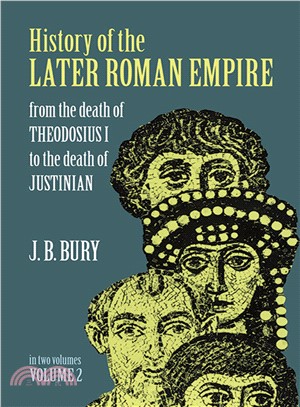
Generally acknowledged to be Professor Bury's masterpiece, this panoramic and painstakingly accurate reconstruction of the Western and Byzantine Roman empire covers the priod from 395 A.D., the death
Classic 1905 biography depicts the saint's early life in fourth-century Britain, abduction by Irish raiders, conversion to Christianity, and lifelong efforts to convert pagans and found churches. Ext
Most people who live in open societies, especially in the West, take freedom of thought and the right to express that thought for granted. But through most of history, independent thinking, outside of
The Cambridge Medieval History Series consists of 8 volumes, with volume 1 first published in 1911. Planned by one of the most renowned Byzantinists and Medievalists of the day, John B. Bury, it beca
Volume 2 of classic history. One of the world's foremost historians chronicles the major forces and events in the history of the Western and Byzantine Empires from the death of Theodosius (A.D. 395) t
The Cambridge Medieval History Series consists of 8 volumes, with volume 1 first published in 1911. Planned by one of the most renowned Byzantinists and Medievalists of the day, John B. Bury, it beca
The Cambridge Medieval History Series consists of 8 volumes, with volume 1 first published in 1911. Planned by one of the most renowned Byzantinists and Medievalists of the day, John B. Bury, it becam